
Wheel Offset Explained: Why It Matters More Than You Think
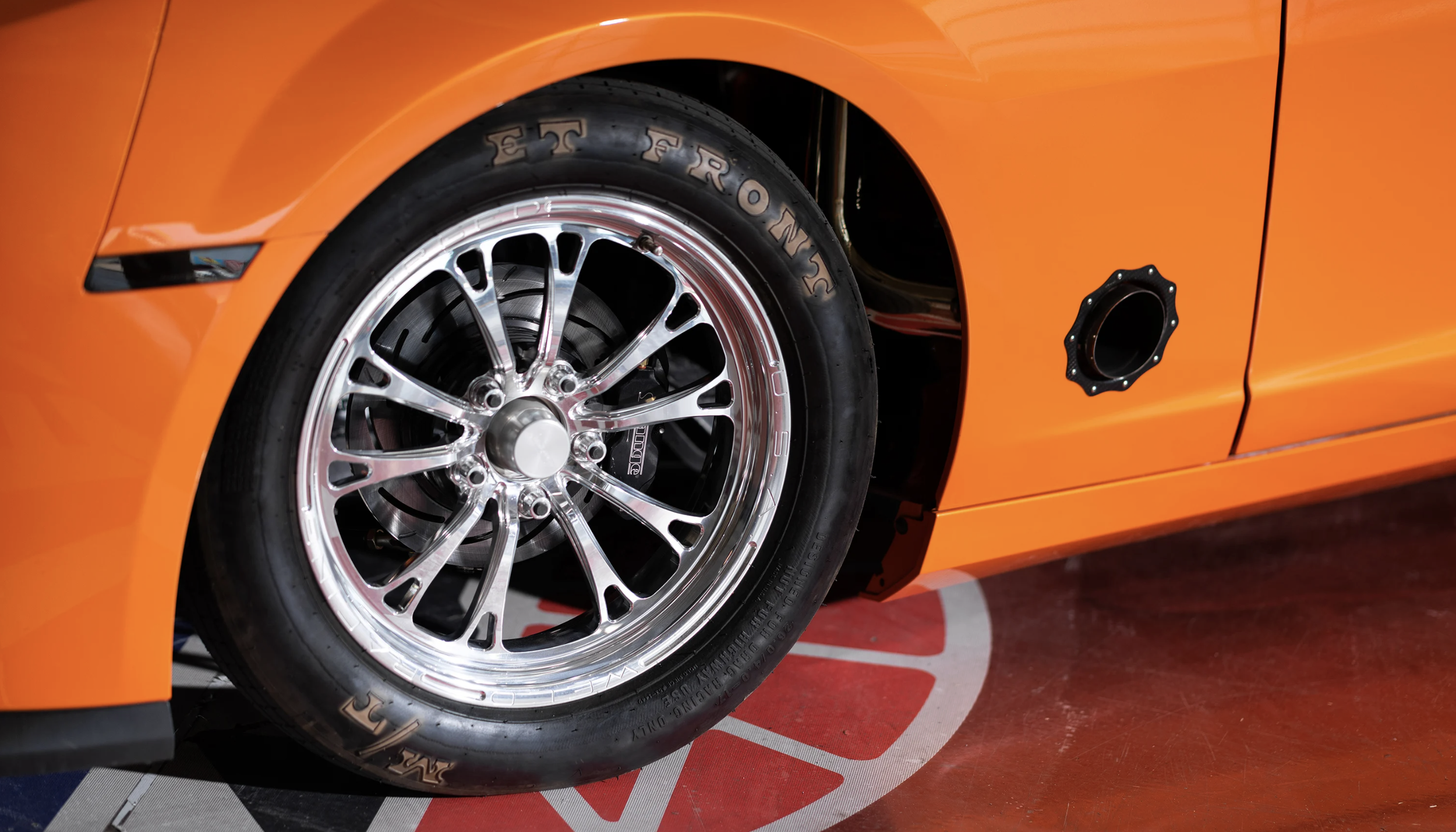
If you're shopping for aftermarket wheels, you've probably seen numbers like +35, +20, or -12.
That's called wheel offset, and it's one of the most important measurements when choosing new wheels.
Wheel offset is the distance between the wheel's mounting surface and its centerline. It determines where the wheel sits in relation to your suspension and fenders.
Here's a simple breakdown:
Positive Offset (+)
Wheel sits farther inward
More common on modern cars and SUVs
Helps keep the tires tucked inside the fenders
Zero Offset (0)
Wheel mounting surface is centered
Often seen on off-road applications
Negative Offset (-)
Wheel sits farther outward
Creates a wider stance and deeper concave look
Common on lifted trucks and off-road builds
Choosing the wrong wheel offset can cause:
• Tire rubbing
• Reduced steering clearance
• Increased stress on wheel bearings
• Changes in steering feel and scrub radius
That's why the "best" offset isn't always the most aggressive one.
The right offset depends on your vehicle, suspension setup, tire size, and how you plan to use it.
Before buying aftermarket wheels, make sure you're choosing an offset that not only looks great—but also works with your suspension and maintains proper drivability.
📍 Midnite Auto – Sacramento
Aftermarket Wheels • Wheel Offset • Suspension • Wheel & Tire Fitment • Performance Alignment
